
Founding families get a free diagnostic assessment. Join the waitlist →

Coming soon to OttawaFrançais

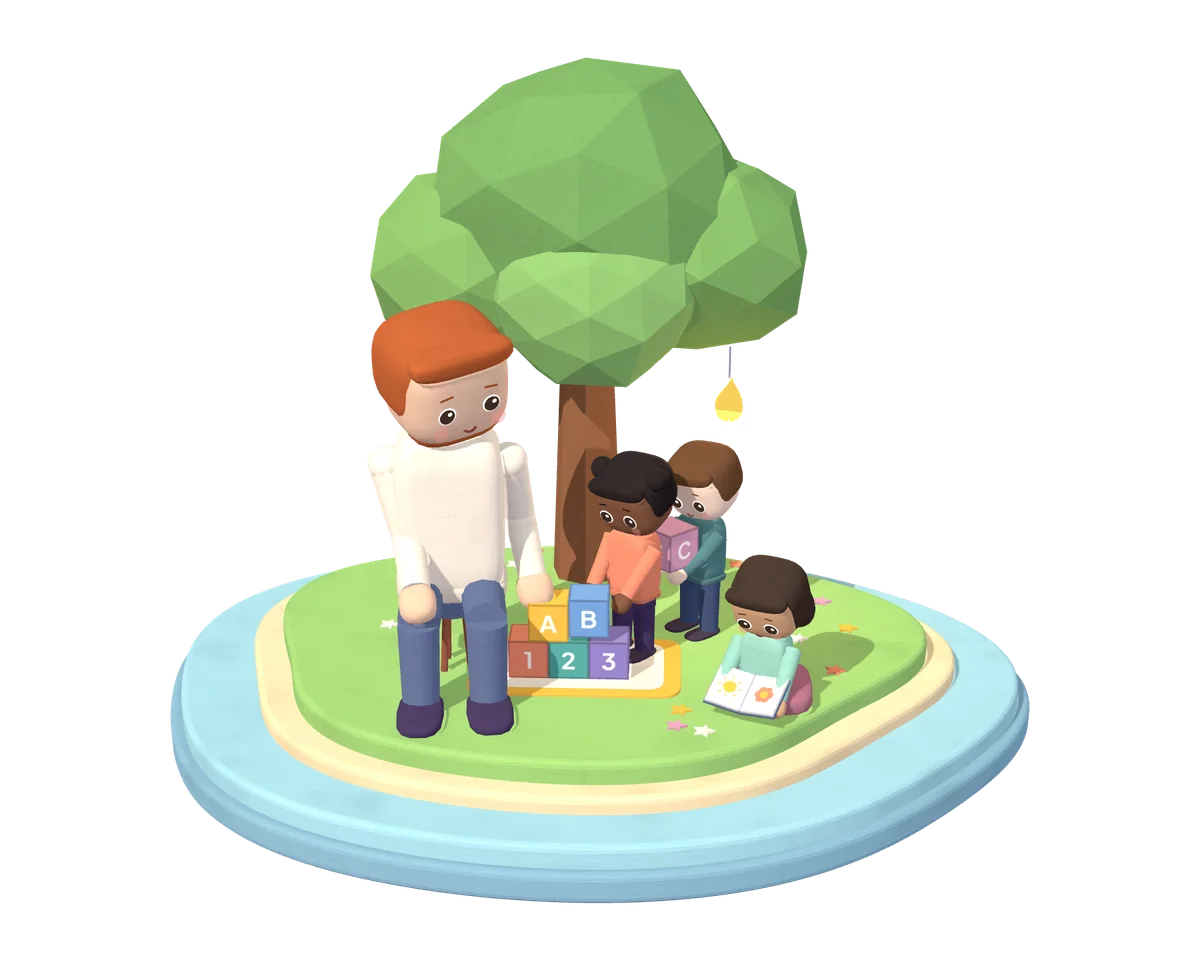
Under a round tree on a paper island, two young children build a tower of letter and number blocks one block at a time on a wide base, while a mentor on a low stool steadies it and a third child reads a picture book on a cushion.

Elementary · Grades 1 to 6

Strong foundations, built one skill at a time.

Your child is building the foundations for everything that follows. Small gaps grow quietly here, so we find them early and fix them at the root.

At a glance

Elementary

Grades
Grades 1 to 6
Who it’s for
Children building the foundations, whether catching up, keeping up or moving ahead
Focus
Math, reading and writing, and the habit of asking why
Languages
English and French

Starts with: A diagnostic assessment, free for founding families, and a written learning plan

Tutoring+ If your child is behind, the program starts as tutoring: the diagnostic finds the root gap, often from an earlier grade, and the plan closes it first.

Math tutoringReading and writing tutoringCatching upHomework helpEnrichment

A year at Hikmah

Sofia’s year began in tears over fractions. By June, she was explaining them to her brother.

Sofia, Grade 4
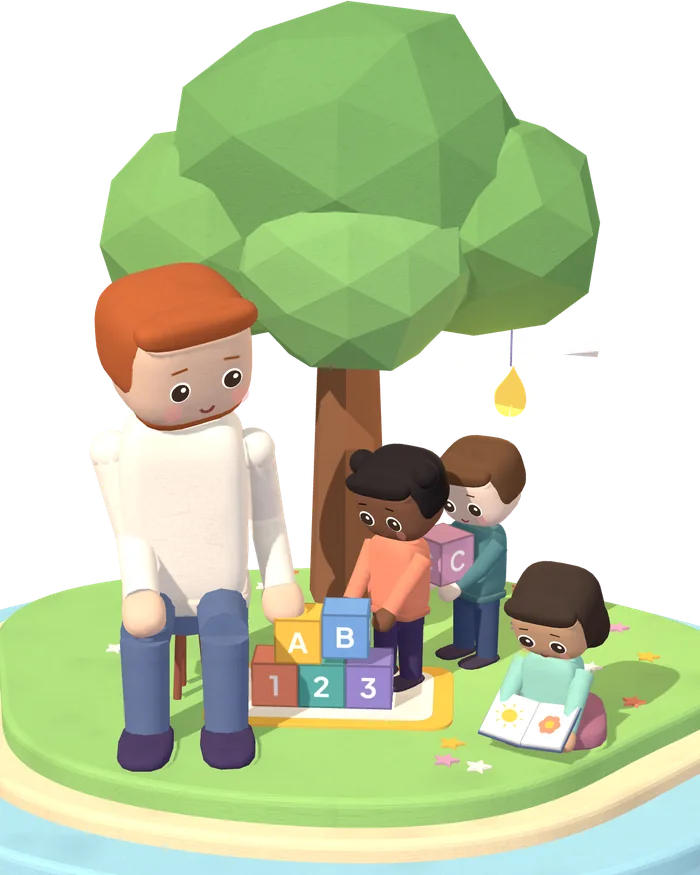
Two young children build a tower of letter and number blocks under a round tree while a mentor steadies it.

Illustrative example.

  1. September

    Fractions felt like a wall

    Sofia loves reading and drawing comics. Fraction homework was ending in tears, and she had decided: “I’m not a math person.”

  2. The diagnostic

    The gap began in Grade 3

    She understood fractions. Shaky multiplication facts were tripping her up, so her plan started there, not with Grade 4 work.

  3. Midwinter

    A recipe book for the family

    With her facts secure, fractions clicked. She scaled her grandmother’s recipes for a big gathering, wrote the steps and drew the comics.

  4. June

    She explained it back

    Sofia showed her little brother how to double a recipe. Her parents had heard from her mentor every month, so nothing was a surprise.

The project, up close

Project board

A family recipe book

Sofia, Grade 4, with her mentor

Audience: Her family

Milestone 2 of 3

Gather2

  • Choose four family recipesDone
  • Ask Grandma for the story behind each oneDone

Make3

  • Scale each recipe for a big gatheringIn progress
  • Write the steps in her own wordsIn progress

Share2

Their reflection
“Two lots of three quarters is six quarters. That’s one and a half cups.”

Capacities it builds

  • Solve problems
  • Create
  • Communicate

Illustrative example.

What they learn

The foundations, and the habits that hold them up.

The foundations

  • Math

    Number sense, then fluency, then problem solving.

    • Place value and mental math
    • Multiplication and division facts
    • Fractions and decimals
    • Word problems, explained aloud
  • Reading

    Reading for meaning, not just the words.

    • Phonics and fluency
    • Vocabulary in context
    • Main idea and evidence
    • Making inferences
  • Writing

    Clear sentences, then paragraphs with a purpose.

    • Sentence structure
    • Paragraphs with a topic sentence
    • Opinion writing with reasons
    • Revising their own work
  • Thinking habits

    Practised in every session.

    • Asking why
    • Explaining their thinking
    • Checking their own work
    • Sticking with a hard problem

Six capacities AI can’t replace, at this age.

What each one can look like in this program.

  • Think critically

    Asking “how do we know?” and finding the sentence that shows it.

  • Create

    Writing and illustrating a page of their own recipe book.

  • Solve problems

    Trying a word problem a second way when the first fails.

  • Decide

    Choosing what to sell on market day, and saying why.

  • Communicate

    Giving a short talk and answering a question at the end.

  • Lead

    Running a game for a turn and making sure everyone plays.

Illustrative example.

At this age

Small steps, small wins, on the Grade 1 to 6 curriculum.

What the Hikmah model looks like for young children. Choose a question.

Short and hands-on, with a win in every block.

Young children learn in short bursts, with something to touch, say or make, and end on a win.

  • Short practice games, then a change of pace
  • Counters, cards and drawing beside the screen
  • A small project they finish in a few weeks

Illustrative screen. The Hikmah platform is in development.

Inside the program

Six moments that make up the program.

Step through what your child will meet, from the first diagnostic to the progress update you receive each month.

The method, step by step

01 · Before the first session

The diagnostic

Short, relaxed tasks in math, reading and writing that find the gap under what feels hard.

An example week

  1. MondayMath

    A short lesson and a multiplication card game.

  2. TuesdayReading

    A chapter together: what did the character want?

  3. WednesdayMastery check

    A missed question is traced to the skill underneath.

  4. ThursdayWriting and project

    A page of the recipe book, drafted and revised.

Illustrative example. Schedules will be shared with founding families before we open.

What parents see

Every month, a clear picture.

Once a month, your child’s mentor sends you a progress update in plain words: the skills mastered, what comes next and one thing to try at home.

How to start

  1. Join our founding families
  2. A free diagnostic assessment when we open
  3. A written learning plan, then the first session
Join the founding families

Wondering who your child’s mentor will be? How we choose, check and train mentors

Sofia

Grade 4 · February

From Sofia’s mentor

February

This month Sofia mastered equivalent fractions. We started with her Grade 3 multiplication facts, using a card game she now asks for. Her mastery check came back clean, and she finished three pages of the recipe book.

Next

Comparing fractions, and a revisit of multiplication facts.

Illustrative screen. The Hikmah platform is in development.

Questions from parents

What parents of young children ask us.

Is this tutoring for children who are behind, or for children who are ahead?

Both. If your child is behind, the program starts as tutoring: the diagnostic finds where the gap began and the plan closes it first. Some close an early gap, some move ahead, and most do a bit of each.

How does this fit with school?

Plans follow the Ontario curriculum for your child’s grade, so the work here supports their classwork. Tell us what’s coming up at school and the mentor plans for it.

What about French immersion?

Hikmah is bilingual from day one. How sessions in French will work, and for which programs, will be shared with founding families before we open.

How is AI used with young children?

Mostly behind the scenes, to help mentors prepare practice and spot patterns. Young children spend their time with a mentor, books, paper and real things.

Come and meet us.

Join our founding families, and your child’s diagnostic assessment is free when we open.