
On this page
Hikmah Education wants every family, learner and educator to be able to use this website and, once it opens, our centre. Children learn in different ways, and families take in information in different ways too. This statement describes the standard we work to, what we have done so far, what we know still needs work and how to tell us about a barrier.
Our commitment
We are committed to treating people with disabilities with dignity and respect, and to giving them the same chance as everyone else to learn about our programs, contact us, join our waitlist and, once we open, take part in learning at our centre. We aim to find and remove barriers early, while we are still building, rather than after someone runs into them.
The standard we work to
We aim for this website to meet the Web Content Accessibility Guidelines (WCAG) 2.1 at Level AA, published by the World Wide Web Consortium. These guidelines explain how to make web content easier to use for people with a wide range of disabilities, including blindness and low vision, deafness and hearing loss, limited movement, speech disabilities, and learning and cognitive disabilities. We treat accessibility problems as defects to be fixed, not as optional improvements.
Ontario’s accessibility law
Ontario’s Accessibility for Ontarians with Disabilities Act, 2005 (AODA) and its Integrated Accessibility Standards Regulation set out what businesses in Ontario must do. As we register our business and prepare to open, these rules will apply to us, and we plan to meet them. That includes the customer service standard (welcoming service animals and support persons, giving notice of temporary disruptions to accessible services and training our staff), the information and communications standard (accessible formats, communication supports and accessible websites), and the employment standard (accessible hiring and workplace accommodation). Before we open, we plan to write and publish an accessibility policy that describes how we meet these requirements.
What we have done on this website
Every page can be used with a keyboard alone, and the item in focus is clearly marked. Text, buttons and form fields are designed to meet WCAG colour-contrast requirements. Animation is reduced or removed when your device asks for reduced motion. Images that carry meaning have text alternatives, and decorative images are hidden from screen readers. Forms have visible labels, show which fields are optional and give clear error messages. Every page is available in English and French and tells assistive technology which language it is in. Where we publish video, we will provide captions and, where useful, a transcript.
How we check our work
We review pages with a keyboard and against WCAG 2.1 AA as we build them, and we check new pages before they are published. We are planning further testing with screen readers and other assistive technologies, and we would welcome help from people who use them every day. We will record what we find and fix it in order of how much it affects people.
Known limitations
This website is new, and we have not yet tested it with every assistive technology. Some documents we publish later, such as worksheets in PDF form, may not be fully accessible when they first appear; we will make an accessible version available on request. Our forms are processed by our website host, Netlify, and the confirmation step depends partly on its systems; we review that part of the experience too. Some illustrations are detailed, and their text alternatives describe their purpose rather than every detail. If you find a limitation that is not listed here, please tell us.
Alternative formats and communication supports
You may ask for any information on this website in an accessible format or with communication supports, such as large print, a plain-text version, a document that works with your screen reader, or an explanation by telephone or video call. There is no cost. We will talk with you about what works best and provide it as soon as we can, taking your needs into account.
Tell us about a barrier
If any part of this website is difficult or impossible for you to use, please tell us through our contact page, choosing “Something else”. It helps us to know the page, what you were trying to do and, if you wish, the device, browser or assistive technology you use. If the contact form itself is the barrier, you may ask someone you trust to write to us for you, and we will reply in the way you prefer. We aim to acknowledge your message within five business days and to tell you what we will do about it. If a fix will take time, we will provide the information you need in another way while we work on it.
Accessibility at the centre
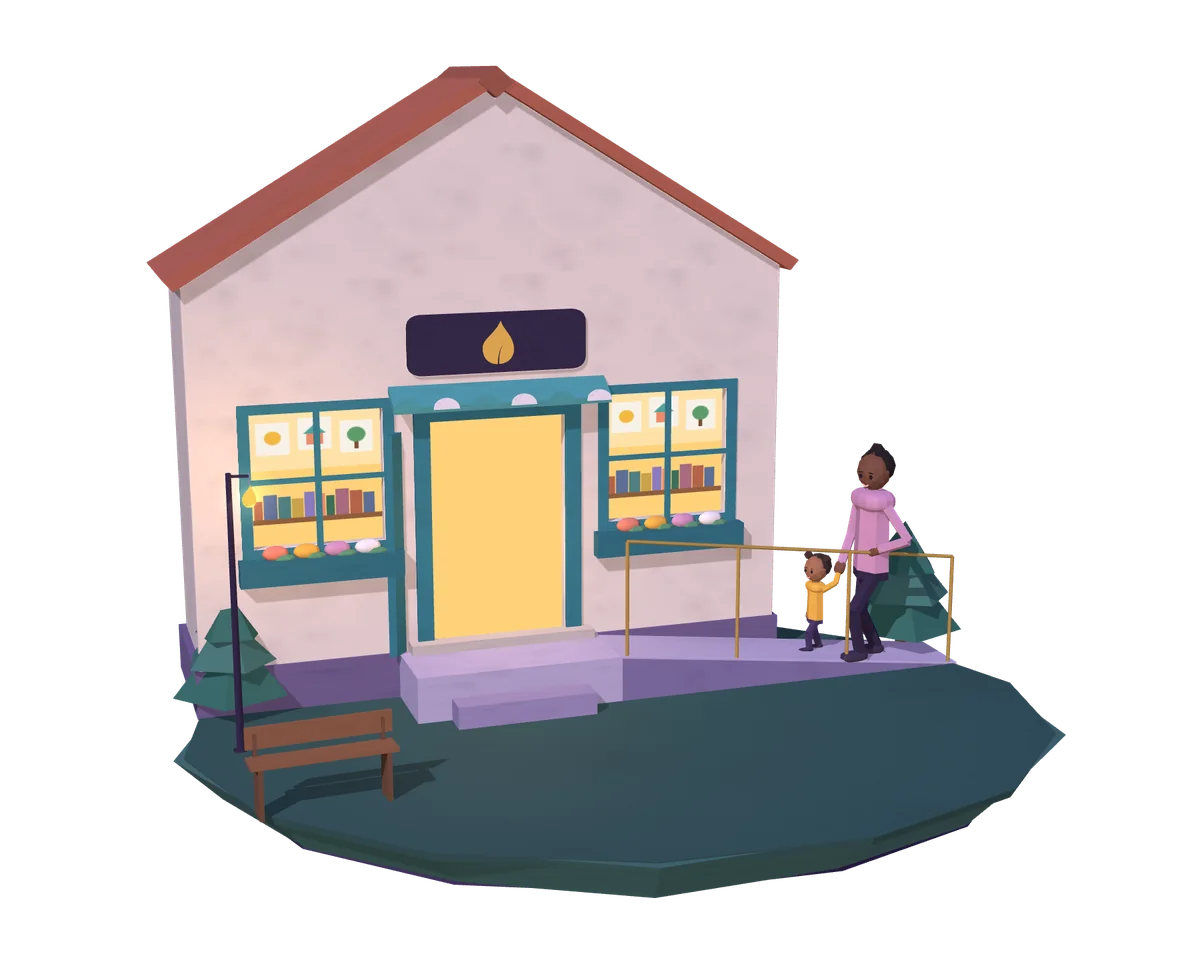
We have not yet chosen the location of our first centre. When we do, physical accessibility will be part of how we choose it, and we will describe the space, entrances, washrooms and parking on this page once they are confirmed. At the centre, we plan to welcome service animals and support persons, to discuss each learner’s needs with their family during the diagnostic assessment and to adapt how we teach, present information and assess progress so that every child can take part. Families will be able to give feedback about accessibility at the centre in person, in writing or by telephone.
Accessibility in hiring
We welcome applications from people with disabilities. If you need an accommodation at any stage of registering interest, interviewing or working with us, tell us and we will work with you to provide it.
Reviewing this statement
This statement was last reviewed on the date shown at the top of this page. We plan to review it at least once a year, whenever we make a significant change to the website and when our centre opens, and to record the results of each review here.